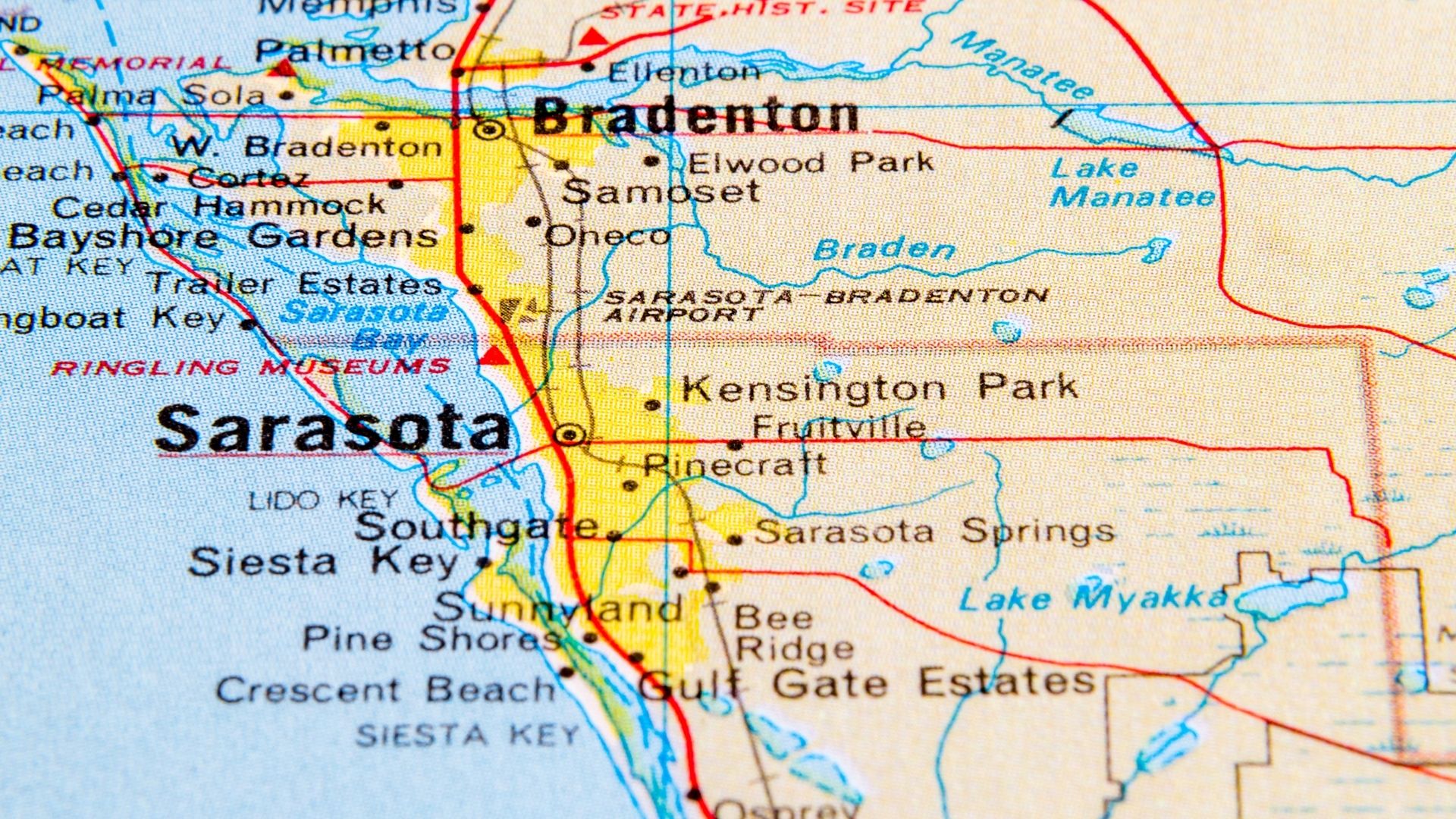

Florida’s Gulf Coast is home to some of the most valuable waterfront properties in the state. Sarasota, Longboat Key, Bird Key, Siesta Key, Casey Key, and Manasota Key all face increasing hurricane exposure each year. For owners of luxury estates, the financial stakes are even higher — storm damage can trigger complex insurance disputes, boundary changes, title complications, and litigation over responsibility for repairs.
Understanding the legal steps to protect your property before, during, and after hurricane season is essential. Our Sarasota real estate law team advises coastal homeowners and investors on storm documentation, insurance strategy, and post-storm claim preparation.
1. Pre-Storm Property Documentation: Your First Legal Line of Defense
Insurance companies rely heavily on evidence. High-value homeowners should maintain comprehensive documentation to prove the condition of the property before a storm hits.
Essential documentation includes:
- High-resolution photos and videos of interior and exterior structures
- Drones or roof-level imaging showing hard-to-access areas
- Records of renovations and improvements filed through a Notice of Commencement
- Survey and elevation certificates (critical for coastal properties)
- Appraisals of luxury fixtures and art
Documentation not only supports insurance claims; it helps prevent disputes over pre-existing conditions — a common basis for claim denials.
2. Review Insurance Policies Before Hurricane Season
Standard homeowner’s insurance rarely covers the full scope of hurricane-related risk in coastal Florida. Gaps in coverage often surface after a storm, when it’s too late to fix them.
Key coverages to review with legal and insurance professionals:
- Windstorm coverage: often carries high deductibles for coastal homes
- Flood insurance: NOT included in standard policy
- Loss of use / temporary housing coverage (especially important for luxury homes)
- Screen enclosure and dock coverage — many policies exclude or limit these
- Code upgrade coverage to comply with newer building standards
You should also review whether improvements or additions were properly recorded, as missing documentation may affect coverage. Title-related issues — such as easements, shared access rights, or structural encroachments — can also impact claims.
3. Confirm Responsibilities in HOA, Condo, or Private Road Agreements
Many high-value properties along the Gulf Coast are part of:
- Private gated communities
- Condominium associations
- Shared seawall or waterfront agreements
- Private roadway or dune maintenance groups
These agreements determine who pays for storm damage to common structures such as:
- Seawalls
- Dune walkovers
- Roadways
- Drainage systems
- Shared roofs or exterior walls
Unclear responsibilities may create disputes after a storm. These disputes sometimes become title issues or boundary conflicts resembling the concerns described in our Cloud on Title resource.
4. Secure Contractors and Agreements Before a Storm Forms
After a storm, reputable contractors are often booked for months. High-value property owners should pre-arrange:
- Emergency tarping agreements
- Tree removal or landscaping response
- Roof or impact window specialists
- Marine contractors for docks or seawalls
Any major improvements will likely require a Notice of Commencement, which must be properly closed out to avoid title issues during a future sale or refinance.
5. Document Damage Immediately After a Storm
Once the property is safe to access, immediate documentation is essential to avoid insurance disputes.
Steps to follow:
- Photograph and video every room and structure
- Document water lines, roof openings, and structural cracks
- Do NOT discard damaged materials before adjuster review
- Retain receipts for temporary repairs
Many homeowners unintentionally weaken their claims by performing unrecorded mitigation work. Keep accurate records and involve legal counsel if your insurer becomes unresponsive.
6. File Insurance Claims Correctly — and Quickly
Florida law sets strict deadlines for hurricane-related claims. Policies also contain their own reporting requirements, which must be followed precisely.
If the insurer requests documentation of property improvements, survey information, or prior repairs, these may involve recorded documents that appear during closing reviews or past title examinations.
Disputes often arise over:
- Wind vs. flood damage
- Pre-existing conditions
- Coverage exclusions
- Roof age or construction code compliance
- Loss of use reimbursements
An attorney experienced in coastal insurance disputes can help ensure the insurer meets its obligations.
7. Watch for Post-Storm Boundary and Title Issues
Major storms can physically alter waterfront boundaries, especially along barrier islands. Changes can create:
- Encroachments
- Shifting easement lines
- Disputes with neighbors or HOAs
- Conflicts between recorded surveys and the new shoreline
These may require corrected surveys or legal interpretation, similar to issues addressed in our real estate law services.
8. Post-Storm Renovations and Permits
Rebuilding on Florida’s Gulf Coast often triggers:
- Coastal Construction Control Line (CCCL) reviews
- County permitting
- Marine structure approvals
- Environmental inspections
- Structural engineering certifications
Failure to obtain the proper permits may result in future title issues or insurance denials. Large renovation projects will typically require a Notice of Commencement and final inspections before the property can be refinanced or sold.
When to Contact a Sarasota Hurricane Property Attorney
High-value coastal owners should consult a lawyer when they:
- Need help interpreting hurricane-related insurance policies
- Experience delays or denials on storm-related claims
- Face disputes with HOAs over structural repairs or seawalls
- Encounter boundary or survey discrepancies after a storm
- Plan major post-storm construction requiring permits or easements
Legal guidance ensures you preserve your rights and protect your coastal investment before and after a major storm.
Final Thoughts
Hurricane preparation for high-value waterfront property is more than boarding windows — it’s a legal strategy involving documentation, insurance structuring, and post-storm compliance. Preparing early reduces financial risk, protects your rights during claims, and preserves your long-term property value along Florida’s Gulf Coast.
Contact Barnes Walker for help preparing your property for hurricane season, reviewing insurance documents, or resolving storm-related disputes.
This article provides general educational information and is not legal advice.
Disclaimer: The information and opinions provided are for general educational, informational or entertainment purposes only and should not be construed as legal advice or a substitute for consultation with a qualified attorney. Any information that you read does not create an attorney–client relationship with Barnes Walker, Goethe, Perron, Shea & Johnson, PLLC, or any of its attorneys. Because laws, regulations, and court interpretations may change over time, the definitions and explanations provided here may not reflect the most current legal standards. The application of law varies depending on your particular facts and jurisdiction. For advice regarding your specific situation, please contact one of our Florida attorneys for personalized guidance.
Trust • Experience • Results
Ready to Get Started?
Get started with Barnes Walker today.