
Helpful Contract Tips and Related Issues
With the filing of lawsuits against professionals continuing to accelerate, suits against Realtors are becoming commonplace. Sellers and buyers often have expectations that are too high, expecting their Realtor to almost guarantee that each part of every sales and purchase transaction and the results of the transaction will be favorable, that there will be no surprises, that all unfavorable matters will be disclosed, no hidden defects will be discovered, no unexpected costs will arise, and that they will receive more and pay less than anyone else.
When any of these expectations are not met, many sellers and buyers refuse to accept responsibility for the results of their decisions and actions and instead pursue claims against their Realtor and other parties to the transaction. The purpose of this risk and liability management article is to help Realtors avoid mistakes throughout the transaction process, beginning with contract drafting, continuing through inspections and reports, and ending with closing.
I. Contract Matters
A. Seller Names
Ensure that all Seller names are correct and that all property owners are listed, including spouses when the property is homestead. Obtain a copy of the deed to verify ownership and spelling.
B. Buyer Names
Make sure all Buyer names are correctly listed. If Buyers are unknown, an entity is to be formed, or the contract is assignable, include appropriate assignability language.
If there is more than one Buyer, specify how ownership will be held and what happens upon death. Joint tenancy with rights of survivorship, tenancy by the entireties, and tenancy in common all carry different legal consequences. If ownership type is not specified, Florida law presumes tenancy in common.
C. Legal Description
Always include the correct address, county, and full legal description. If the legal description is lengthy, reference it as an attached exhibit. Obtain the legal description from the recorded deed, not the Property Appraiser, as abbreviated descriptions may be inaccurate.
Confirm with the Seller whether the entire parcel or only a portion is being sold. Consult an attorney or surveyor when dealing with partial parcels, access easements, or multiple adjoining properties.
D. Personal Property
Be specific about what personal property is included or excluded. Create a detailed list and attach it as an exhibit if necessary.
E. Deposits
Ensure an appropriate deposit amount is stated and paid to the correct escrow agent. Follow Florida Real Estate Commission rules regarding timing, delivery, verification, and release of escrow deposits.
Remember that escrow agents can only disburse collected funds, and delays may occur when deposits are made by check.
F. Financing Provisions
Clearly complete all financing terms and explain applicable deadlines to Buyers. Failure to act within required timeframes can result in default and loss of deposit. Consider adding specific loan origination fee limits and interest rate terms as additional contract provisions.
G. Closing Date
Use “on or before” language for the closing date. The closing date controls over all other dates in the contract.
H. Special Assessments
Ensure the appropriate Community Development District assessment option is selected. These assessments can involve significant sums and must be clearly understood by both parties.
I. Inspections
Recommend all appropriate inspections, allow sufficient time to obtain reports, and complete all inspection cost limit blanks. Document any inspection waivers by the Buyer.
J. Permits
Ensure Buyers understand the risks associated with unpermitted or incomplete improvements. Complete permit related contract blanks carefully, as these obligations can survive closing.
K. Title Insurance and Surveys
Advise Buyers to obtain title insurance and surveys even for cash purchases. Once received, recommend review by the Buyer with legal assistance if necessary.
L. Commissions
Include broker names, commission percentages, and administrative fees in the contract for clarity and proper disbursement.
M. Addenda
Attach all applicable addenda and ensure they are properly completed, signed, and dated. In case of conflict, addenda and typed terms control over printed language.
N. Execution and Delivery
Ensure all changes are initialed and dated, acceptance deadlines are included, and fully executed contracts are delivered on time. The Effective Date occurs upon delivery.
O. Disclosure Obligations
Under Florida law, Sellers and Realtors must disclose all facts materially affecting property value that are not readily observable. Realtors should require full completion and execution of Seller Disclosure forms.
P. Document Review
Review all documents for blank lines or unchecked boxes before presentation unless default language applies.
Q. Distribution
Provide fully executed copies to all parties including Buyers, Sellers, Realtors, lenders, and the title company.
II. Post Contract and Pre Closing
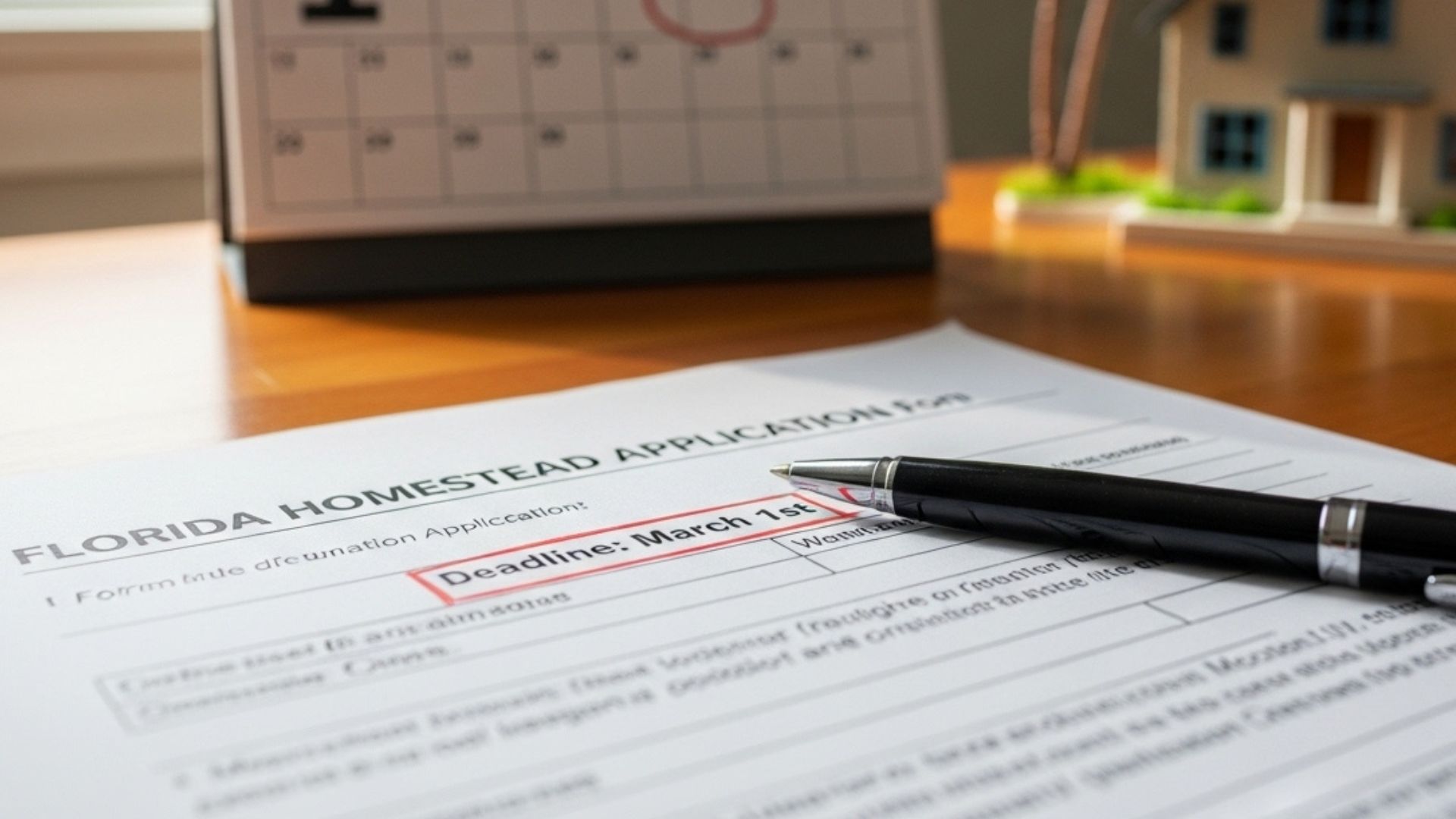
Create checklists for each party outlining duties, deadlines, and responsibilities. Emphasize financing timelines, insurance requirements, utility transfers, and homestead exemption filings.
III. Closing
Coordinate closing logistics, conduct timely final walk throughs, ensure wiring of funds, and avoid any off settlement financial exchanges which may constitute bank fraud.
IV. Other Considerations
Never facilitate undisclosed money transfers, pay unlicensed referral fees, or advertise deceptively. Maintain honesty, diligence, confidentiality, and thorough documentation. Refer clients to appropriate professionals for matters outside your expertise.
When in doubt, disclose. Avoid guarantees or predictions. Keep communication direct and clear. Address issues before closing, not at the table.
If you have questions regarding managing and minimizing risk and liability in your real estate practice, seek profession:contentReference[oaicite:0]{index=0}
Trust • Experience • Results
Ready to Get Started?
Get started with Barnes Walker today.