Florida Title Search Process Explained
If you are buying or selling real estate in Florida, one of the most important steps happens quietly in the background long before closing day. That step is the title search.
Many buyers and sellers hear the phrase but do not fully understand what it means, why it matters, or what can go wrong if it is skipped or rushed. This guide explains the Florida title search process in plain language so you know exactly what is being reviewed, who performs the work, and how it protects your ownership rights.
What Is a Title Search in Florida
A title search is a detailed review of public records to confirm who legally owns a property and whether any issues exist that could affect ownership or transfer.
In Florida, this process examines records maintained by the county clerk and other public offices to ensure the seller has the legal right to sell the property and that the title can be transferred cleanly at closing.
Why a Title Search Matters
Real estate is not just a building or a piece of land. It is a legal bundle of rights. A title search helps confirm those rights are clear and identifies problems that can delay closing, change the deal terms, or create legal risk after the sale.
- Protects the buyer from inheriting unpaid debts tied to the property
- Protects the seller by resolving issues before transfer
- Protects the lender by confirming their mortgage will be properly recorded and prioritized
Who Performs a Title Search in Florida
In most Florida transactions, a title company works alongside a real estate attorney or under attorney direction depending on the transaction and parties involved. The actual research is typically performed by trained title examiners who review county records and supporting databases.
The goal is not simply to find documents. It is to understand what those documents mean and whether they create a risk to ownership.
What Records Are Checked During a Florida Title Search
While every property is unique, a Florida title search commonly includes review of the following:
- Deed history to confirm the chain of ownership and proper transfers
- Open mortgages and recorded satisfactions to confirm payoffs and releases
- Liens such as tax liens, municipal liens, HOA liens, or mechanic liens
- Judgments that may attach to the owner and create a title issue
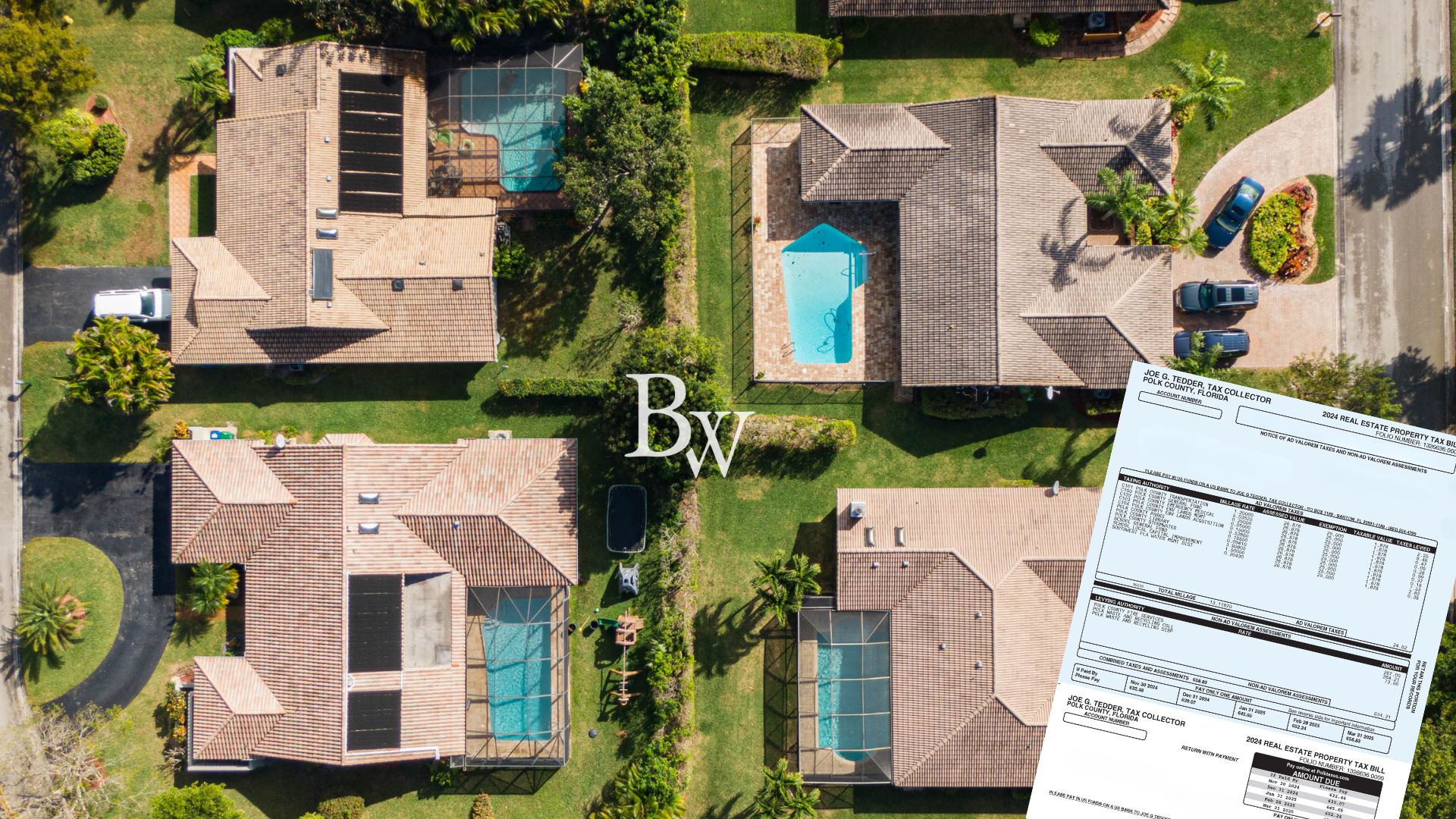
- Property taxes including unpaid taxes and special assessments
- Easements that grant others rights to use part of the property
- Restrictions such as deed restrictions or HOA covenants
- Probate or divorce filings if ownership rights are affected
- Pending litigation involving the property or the current owner
The Florida Title Search Process Step by Step
Step 1: Collect the Property Information
The title team confirms the property address, legal description, parcel ID, and the current owner name as reflected in county records. This is important because many title issues begin with mismatched names, incorrect legal descriptions, or prior recording errors.
Step 2: Review the Chain of Title
The examiner traces ownership history through recorded deeds. They look for gaps, missing signatures, improper transfers, or documents that were never properly recorded.
Step 3: Identify Liens, Mortgages, and Judgments
This is where many surprises show up. The search will identify recorded mortgages that must be paid off, as well as liens or judgments that can attach to the property. Some items are tied to the property itself, while others are tied to the owner and can still become a problem during closing.
Step 4: Review Taxes and Assessments
Florida property taxes and municipal assessments are a common source of last minute issues. The title team checks for unpaid taxes, special assessments, and whether taxes will be prorated correctly at closing.
Step 5: Review Easements and Restrictions
Easements and restrictions are not always deal breakers, but they must be disclosed and understood. An easement might affect where you can build, where you can park, or whether someone else has access across part of the land.
Step 6: Issue a Title Commitment
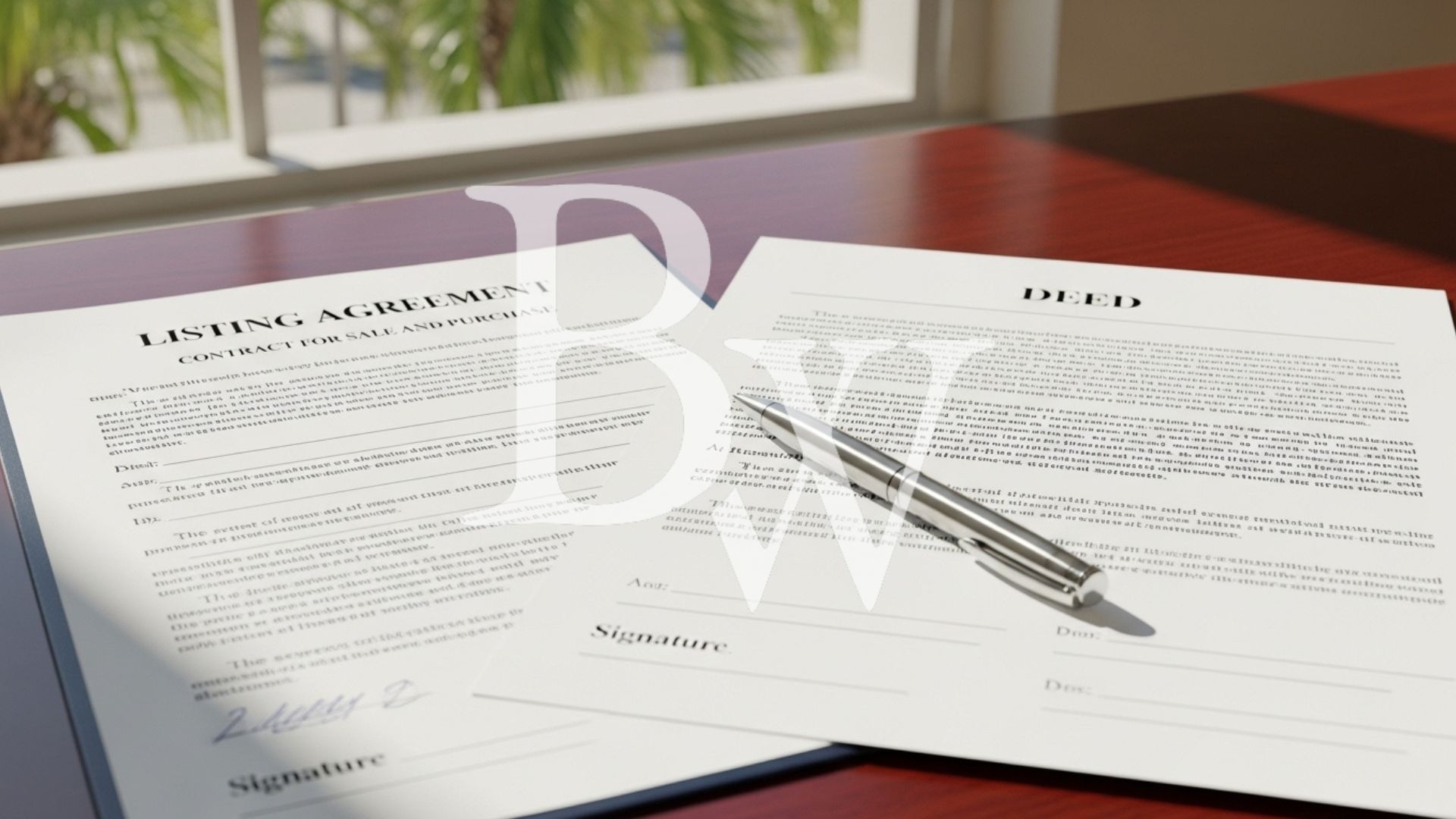
Once the search is complete, the title company issues a title commitment. This is a document that outlines what will be insured and what must be resolved before closing.
A title commitment typically includes:
- Schedule A with the basics of the transaction
- Schedule B Part I which lists requirements that must be satisfied before closing
- Schedule B Part II which lists exceptions that will remain on title after closing
Step 7: Clear Title Issues Before Closing
If the search reveals issues, the team works to clear them. This may involve requesting payoffs, recording satisfactions, correcting a deed, resolving a lien, or obtaining legal documentation in probate or divorce related situations.
Step 8: Closing, Recording, and Final Policy
After closing, documents are recorded with the county, including the deed and mortgage. Then the final title insurance policy is issued to the buyer and lender based on the commitment and what was actually completed at closing.
Common Title Problems in Florida
- Unreleased mortgages that were paid off but never recorded as satisfied
- Old liens that are still showing in public records
- Judgments against a prior owner or current seller
- Incorrect legal descriptions or deed errors
- Probate issues where ownership was never properly transferred
- HOA or condo association estoppel issues
- Municipal code enforcement liens or utility liens
How Long Does a Title Search Take in Florida
Many Florida title searches are completed within a few business days, but timelines vary based on county record availability, property complexity, and whether issues are discovered that require additional research or legal resolution.
If you are working with a tight closing timeline, the best move is to start the title process early. Title issues are easier to solve when there is time.
Does a Title Search Replace Title Insurance
No. A title search and title insurance work together.
The title search is the investigation. Title insurance is the protection. Even with a thorough search, hidden risks can still exist, such as recording mistakes, fraud, undisclosed heirs, or clerical errors. Title insurance helps protect against covered losses that are not discovered until after closing.
What You Should Do as a Buyer or Seller
- Provide accurate names and documents early to avoid delays
- Respond quickly to title requests, especially payoff and HOA items
- Ask questions if a requirement or exception is unclear
- Do not assume a prior closing means title is clean today
Final Thoughts
The Florida title search process exists for one reason: to make sure ownership is legally transferable and defensible. It is one of the most important safeguards in any real estate transaction, and it often determines whether your closing is smooth or stressful.
If you are preparing for a purchase, sale, refinance, or investment closing in Florida, working with a team that understands both title and legal risk can make the difference between a routine closing and a preventable problem.
Disclaimer: This content is for general informational purposes only and is not legal advice. For guidance on your specific situation, consult a qualified Florida real estate attorney or title professional.
Disclaimer: The information and opinions provided are for general educational, informational or entertainment purposes only and should not be construed as legal advice or a substitute for consultation with a qualified attorney. Any information that you read does not create an attorney–client relationship with Barnes Walker, Goethe, Perron, Shea & Johnson, PLLC, or any of its attorneys. Because laws, regulations, and court interpretations may change over time, the definitions and explanations provided here may not reflect the most current legal standards. The application of law varies depending on your particular facts and jurisdiction. For advice regarding your specific situation, please contact one of our Florida attorneys for personalized guidance.
Trust • Experience • Results
Established 1995, built on
reputation, trust, and results
Established 1995,
built on reputation, trust, and results
Barnes Walker focuses on real estate law, estate planning, business law, and litigation. We also operate a full title company in-house, which means we handle everything from contracts and closings to title searches and escrow under one roof.
Whether it’s buying or selling property, structuring a business, or planning for the future, we provide practical, results-driven legal solutions that give our clients confidence and peace of mind.
We’ve been serving Sarasota and Manatee counties since 1995 and are proud to be one of the area’s most established busineses.